Gaurang Parikh
0 comments January 9, 2026

How to Convince a Patient for Surgery Without Sounding Forceful

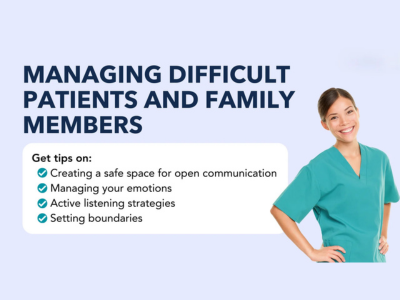
How to Convince a Patient for Surgery Without Sounding Forceful Convincing a patient to undergo surgery is a delicate process. While surgeons and hospitals understand the medical necessity, patients may feel anxious, uncertain, or hesitant. Pushing too aggressively can damage trust, reduce compliance, and create negative patient experiences. On the other hand, ineffective communication may lead to delayed treatment, worsening conditions, and missed opportunities for care. White Horse Media Solution emphasizes that the key lies in empathetic, patient-centered communication. Hospitals and surgeons need to provide clear information, address concerns, and empower patients to make informed decisions without feeling pressured. This comprehensive guide explores strategies for convincing patients about surgery while maintaining trust, credibility, and compassion, ensuring better patient outcomes and satisfaction. 1. Understand the Patient’s Perspective The first step in patient communication is understanding the patient’s concerns and perspective. Patients often have fears about pain, recovery time, complications, or financial costs. They may also have misconceptions about surgical procedures. Hospitals should train staff and doctors to actively listen, ask open-ended questions, and acknowledge patient concerns. Understanding the root of hesitation allows healthcare providers to tailor their communication, address specific fears, and provide reassurance effectively. 2. Build Trust Before Discussing Surgery Patients are more receptive when they trust their healthcare provider. Building trust requires consistent transparency, empathy, and credibility. Sharing the surgeon’s qualifications, hospital accreditations, success rates, and testimonials from previous patients reassures patients that they are in capable hands. Trust also develops when patients feel heard and respected. Even simple gestures like explaining procedures patiently, providing reading material, and ensuring follow-up availability contribute to confidence and openness to recommended surgery. 3. Provide Clear and Comprehensive Information Patients need accurate, easy-to-understand information to make informed decisions. Hospitals should provide details about the procedure, expected outcomes, risks, benefits, and alternatives. Using visual aids such as diagrams, animations, or videos helps patients grasp complex medical concepts. Clarity reduces fear and uncertainty. Instead of overwhelming patients with medical jargon, doctors should explain in simple terms, comparing options and highlighting why surgery is recommended based on the patient’s condition. 4. Emphasize Benefits Without Exaggeration When discussing surgery, emphasize benefits realistically. Highlight how the procedure can relieve symptoms, improve quality of life, or prevent further complications. Avoid making promises or exaggerating outcomes, as this can backfire and erode trust. Providing examples of similar cases, backed by data, helps patients understand the real impact of surgery. For instance, sharing recovery timelines, improvement in mobility, or success rates instills confidence while keeping expectations realistic. 5. Address Fears and Misconceptions Fear is a major barrier to patient acceptance of surgery. Hospitals should proactively address common concerns such as anesthesia risks, post-operative pain, scarring, or recovery challenges. Providing accurate information and reassurance can help patients overcome these fears. Sharing stories from other patients who had similar experiences or using FAQs and pre-surgery counseling sessions reduces anxiety and empowers patients to make informed choices. 6. Offer Alternatives and Shared Decision-Making Patients feel respected and empowered when they are presented with alternative treatment options. Discussing non-surgical options, lifestyle changes, or minimally invasive procedures shows transparency and builds credibility. Shared decision-making involves collaborating with the patient to determine the best course of action. By involving patients in the discussion, hospitals encourage autonomy and reduce the feeling of coercion, increasing the likelihood that patients will consent to surgery willingly. 7. Use Patient Testimonials and Social Proof Hearing from other patients who underwent similar procedures can significantly influence decisions. Hospitals should leverage testimonials, reviews, and case studies to demonstrate positive outcomes. Videos or written testimonials highlighting patient experiences, recovery stories, and satisfaction levels provide reassurance. Social proof validates the safety, effectiveness, and credibility of the hospital and surgical team, making patients more receptive to recommendations. 8. Timing and Patience Are Crucial Rushing a patient into a decision rarely works. Hospitals should allow patients time to process information, discuss with family, and reflect on options. Follow-up consultations or informational sessions can give patients space while maintaining engagement. A patient-centered approach that balances urgency with patience demonstrates respect and empathy. It also reduces stress, fosters trust, and ultimately improves consent rates for surgery. 9. Leverage Technology for Education and Engagement Hospitals can use digital tools to support patient education. Interactive videos, webinars, virtual consultations, and hospital apps can guide patients through pre-surgery expectations, recovery plans, and potential outcomes. Telemedicine allows patients to ask questions from the comfort of home, reducing stress and improving understanding. Digital engagement ensures that patients are informed, supported, and confident when deciding to undergo surgery. 10. Communicate Post-Surgery Support and Follow-Up Patients are more likely to consent to surgery when they know that post-operative care and support are in place. Hospitals should clearly explain follow-up schedules, rehabilitation programs, emergency contacts, and resources for recovery. Demonstrating comprehensive support reassures patients that they will not be left alone after surgery. This transparency reduces fear, builds trust, and improves the patient’s overall experience. 11. Build a Multidisciplinary Team Approach Complex surgeries often involve multiple specialists. Hospitals should present a cohesive, multidisciplinary approach where doctors, nurses, anesthetists, and therapists work together for the patient’s benefit. Highlighting collaboration reinforces patient confidence, as it demonstrates that the hospital has a structured, professional approach to care. Patients feel safer knowing a team is involved rather than a single provider handling everything. 12. Focus on Empathy and Emotional Intelligence Empathy is critical when discussing sensitive procedures like surgery. Doctors and staff should acknowledge emotions, validate concerns, and provide reassurance. Emotional intelligence enables healthcare providers to read patient cues, respond appropriately, and guide the conversation delicately. Empathetic communication makes patients feel respected and understood, reducing resistance and making them more receptive to surgical recommendations. 13. Use Clear and Honest Risk Communication Patients need to understand both the benefits and potential risks of surgery. Hospitals should communicate risks clearly and honestly, using understandable language. Providing context, such as likelihood percentages, recovery support, and mitigation strategies, helps patients make informed decisions. Honest risk communication demonstrates professionalism and integrity, reinforcing patient trust and confidence

Read More
Gaurang Parikh
0 comments January 7, 2026

How Hospitals Should Handle Online Leads to Improve Conversions

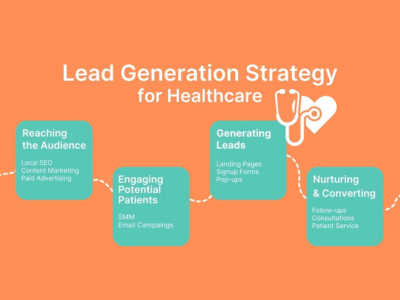
How Hospitals Should Handle Online Leads to Improve Conversions In today’s digital-first world, hospitals generate a significant portion of their patient inquiries online. From Google searches and social media interactions to website forms and appointment requests, online leads are an essential source of new patients. However, many hospitals fail to convert these leads into actual appointments due to poorly managed processes, slow response times, or lack of follow-up. White Horse Media Solution, a leader in healthcare digital marketing, emphasizes that handling online leads strategically is just as important as generating them. Proper management ensures higher patient conversion rates, improved trust, and stronger long-term relationships. This comprehensive guide explores how hospitals should handle online leads, the best practices for nurturing them, and strategies to convert inquiries into loyal patients effectively. 1. Understand the Value of Online Leads Online leads are potential patients who have shown interest in a hospital’s services. Unlike walk-ins, these leads have already engaged digitally, making them highly valuable. Hospitals need to recognize that every online inquiry represents a potential patient, and timely, professional handling can significantly improve conversion rates. Understanding lead value also helps hospitals allocate budgets wisely. Investing in high-quality lead generation campaigns only makes sense if there is a system in place to respond, nurture, and convert these inquiries efficiently. 2. Set Up a Dedicated Lead Management System Handling online leads requires a structured system. Hospitals must set up a lead management platform, such as a CRM, to capture all inquiries in real-time. This system should record patient details, source of the lead, inquiry type, and follow-up status. A centralized system ensures no lead is overlooked, every inquiry is assigned to the appropriate department, and response times are minimized. Hospitals that use CRM systems to track leads see a higher conversion rate, as every interaction is documented and actionable. 3. Ensure Prompt Response Times Speed is critical when handling online leads. Studies show that hospitals that respond within 15–30 minutes are more likely to convert inquiries into appointments. Delayed responses often lead to lost opportunities, as prospective patients may contact competing hospitals. Hospitals should implement automated notifications for new leads and assign staff to respond promptly. Quick, professional replies—whether through email, phone, WhatsApp, or chat—establish trust and reassure potential patients that the hospital is attentive and reliable. 4. Train Staff for Effective Communication Even with automated systems, human interaction plays a critical role in converting leads. Staff should be trained to communicate empathetically, professionally, and clearly. They must be able to answer patient questions, explain services, and guide patients through the appointment process without sounding scripted. For complex inquiries, staff should be equipped to escalate to the appropriate specialist or department. Professional communication builds trust, reassures patients, and significantly increases the likelihood of booking appointments. 5. Categorize and Prioritize Leads Not all leads have the same level of urgency or potential. Hospitals should categorize leads based on specialty, urgency, and patient readiness. For example, a patient requesting emergency cardiac consultation should be prioritized over someone seeking general health information. Prioritization ensures that high-value or urgent inquiries are addressed immediately, improving patient satisfaction and maximizing conversion rates. Categorizing leads also helps hospitals understand which campaigns or platforms generate the most qualified leads. 6. Use Multi-Channel Follow-Up Strategies Patients may contact hospitals through various channels: website forms, social media, Google Business Profile (GMB), emails, or messaging apps like WhatsApp. Hospitals must have a multi-channel follow-up strategy to ensure no lead is missed. For example, a lead from a Facebook ad can be followed up with a phone call, email, and WhatsApp message if necessary. Multi-channel engagement not only increases the chances of conversion but also demonstrates professionalism and accessibility, which patients highly value. 7. Personalize Your Communication Personalization is crucial for converting leads. Hospitals should address patients by name, reference their inquiry, and provide information relevant to their health concerns. Generic responses are less effective and may discourage engagement. Personalized communication can include sending targeted content, such as blog articles or videos relevant to the patient’s interest, or reminders about appointments. This approach makes patients feel valued, builds trust, and encourages them to choose your hospital over competitors. 8. Educate Leads with Relevant Content Patients often hesitate to book appointments due to lack of information or fear of procedures. Hospitals should use educational content to inform and reassure potential patients. Content can include blog posts, explainer videos, infographics, patient testimonials, and FAQs. Sharing this content during follow-up not only builds trust but also positions the hospital as a credible authority in healthcare, making it more likely that leads convert to appointments. 9. Track Lead Sources and Analyze Performance To improve conversions, hospitals must track where leads are coming from—Facebook, Instagram, GMB, website forms, or other campaigns. Understanding lead sources allows hospitals to allocate budgets effectively, optimize campaigns, and focus on channels that generate high-quality inquiries. Regular analysis of performance metrics such as lead response time, conversion rate, cost per lead, and patient acquisition ROI helps hospitals refine their lead handling process. Continuous improvement is key to long-term success in digital patient acquisition. 10. Implement Automated Workflows for Efficiency Automation can greatly improve lead handling efficiency. Hospitals can set up workflows that automatically send confirmation emails, appointment reminders, or follow-up messages to patients. Automated workflows ensure consistent communication, reduce the chance of missed follow-ups, and save staff time. However, automation should complement human interaction, not replace it—patients still value personal attention and empathy in healthcare. 11. Nurture Leads That Aren’t Ready to Convert Not every lead will convert immediately. Some patients may be researching treatments or seeking second opinions. Hospitals should nurture these leads with relevant content, updates, and personalized communication until they are ready to take action. Lead nurturing builds trust, keeps the hospital top-of-mind, and ensures that when the patient is ready, they choose your facility. Email newsletters, health tips, procedure guides, and patient stories are effective tools for nurturing leads over time. 12. Leverage Testimonials and Social Proof Patient testimonials, reviews, and success stories

Read More
Gaurang Parikh
0 comments January 5, 2026

What Every Hospital Must Prepare Before Running Any Lead Campaign

What Every Hospital Must Prepare Before Running Any Lead Campaign In the competitive healthcare landscape of 2025, hospitals cannot afford to run lead campaigns blindly. A lead campaign without proper preparation often leads to wasted budgets, low-quality inquiries, and missed opportunities to attract patients. Hospitals must approach lead generation strategically, ensuring that every aspect of their marketing funnel—from targeting to follow-up—is fully optimized. White Horse Media Solution, a leading healthcare digital marketing agency, has helped numerous hospitals craft successful lead campaigns that not only attract patients but also convert inquiries into appointments and long-term relationships. In this comprehensive guide, we outline what hospitals must prepare before launching any lead campaign, ensuring maximum return on investment and sustainable patient growth. 1. Clearly Define Campaign Objectives Before initiating any lead campaign, hospitals need to define clear objectives. Are you aiming to increase patient appointments for a specific specialty, promote a wellness program, or drive registrations for a health camp? Without a defined goal, campaigns can become unfocused, resulting in low-quality leads. Clear objectives help guide every aspect of the campaign, including target audience selection, ad creative, messaging, and lead capture forms. Setting measurable goals is equally important. Hospitals should define key performance indicators (KPIs) such as the number of leads generated, cost per lead, conversion rate, and eventual patient retention. By having these metrics in place, hospital marketers can track performance and make necessary adjustments to optimize results. 2. Understand Your Target Audience One of the biggest mistakes hospitals make is running campaigns without knowing their audience. Identifying the target demographic is critical. This includes factors like age, gender, location, income level, health concerns, and previous interactions with the hospital. For instance, a maternity hospital may target women aged 25-35 in nearby neighborhoods, while a cardiac center may focus on patients over 40 who are at risk of heart disease. Understanding the audience allows hospitals to craft messaging that resonates, select appropriate platforms, and design offers that appeal directly to prospective patients. Behavioral and psychographic data also play a crucial role. Hospitals should understand what motivates their audience, what questions or fears they have about treatment, and which digital channels they prefer for communication. This insight ensures the lead campaign is highly relevant and more likely to convert. 3. Audit Your Current Digital Presence Before launching a campaign, hospitals must evaluate their current digital assets. This includes the hospital website, Google Business Profile (GMB), social media pages, and online reviews. A lead campaign drives traffic to these platforms, and if they are not optimized, potential patients may lose trust and abandon inquiries. Hospitals should ensure their website is mobile-friendly, fast-loading, and has clear call-to-action buttons for appointment booking or contact. Landing pages for specific campaigns should be designed to capture patient information efficiently, with minimal friction. GMB profiles should be up-to-date with accurate addresses, phone numbers, operating hours, and high-quality images. Social media profiles must reflect the hospital’s credibility, professionalism, and active engagement with patients. By auditing these touchpoints, hospitals can ensure that every lead generated has a positive first impression. 4. Craft Compelling Messaging and Offers A hospital lead campaign is only as effective as its messaging. Hospitals need to communicate value clearly and persuasively. Whether the campaign promotes a health checkup, specialized treatment, or teleconsultation, the message must address patient pain points and offer solutions. Offers such as free consultations, discounted packages, or complimentary health assessments can motivate prospective patients to submit their information. Messaging should be clear, concise, and consistent across all platforms—Facebook, Instagram, GMB, YouTube, LinkedIn, and hospital websites. In addition, using emotionally resonant stories, like patient testimonials or success stories, can enhance trust and encourage potential patients to engage. The goal is to make the patient feel understood, assured, and confident in the hospital’s expertise. 5. Select the Right Platforms for Lead Generation Not every digital platform is suitable for all types of campaigns. Hospitals must choose platforms based on where their target audience is most active. Facebook is excellent for community engagement and targeted ads, especially for local campaigns. Instagram works well for younger demographics and visual storytelling. Google Business Profile helps capture leads from patients searching for nearby hospitals. YouTube allows hospitals to educate and build trust through testimonial videos and procedure explainers. LinkedIn is ideal for professional outreach, B2B collaborations, and recruiting skilled medical professionals. Selecting the right mix ensures that the hospital’s lead campaign reaches the right audience efficiently, reducing wasted budget and increasing conversion rates. 6. Prepare Landing Pages and Lead Capture Mechanisms Once a campaign is live, patients need a seamless way to submit their information. Landing pages should be dedicated to the campaign, visually appealing, and mobile-friendly. They must contain clear forms that request only essential details, such as name, phone number, email, and specific health interest. Adding trust signals like hospital certifications, doctor profiles, patient testimonials, and secure data handling assurances improves the likelihood of form submissions. Integration with CRM systems ensures that leads are captured in real-time and that hospital staff can follow up promptly, increasing the chance of conversion. 7. Set Up a Lead Management System Generating leads is only the first step; managing them effectively is crucial. Hospitals must have a structured system in place to track, follow up, and nurture leads. This includes assigning leads to the right department or doctor, prioritizing urgent inquiries, and monitoring response times. A lead management system should also record interactions, track patient journey, and provide analytics to measure campaign effectiveness. Hospitals that respond quickly and professionally see significantly higher conversion rates compared to those with delayed or inconsistent follow-ups. 8. Compliance and Patient Privacy Considerations Hospitals must ensure that all lead campaigns comply with healthcare regulations and privacy laws, including patient data protection under HIPAA or local regulations. Forms and data storage systems must guarantee secure handling of personal health information. Patients should be informed about how their data will be used and should consent to receive communications. Compliance not only avoids legal complications but also strengthens patient

Read More
Gaurang Parikh
0 comments January 2, 2026

How Hospitals Should Use FB, Instagram, GMB, YouTube & LinkedIn—Purpose & Benefits

How Hospitals Should Use FB, Instagram, GMB, YouTube & LinkedIn—Purpose & Benefits In 2025, hospitals cannot rely solely on traditional marketing to attract and retain patients. The digital ecosystem offers immense opportunities for patient engagement, brand building, and trust creation. Social media platforms like Facebook, Instagram, LinkedIn, video channels like YouTube, and business platforms like Google Business Profile (GMB) are critical tools. However, many hospitals make the mistake of posting randomly without understanding the purpose and benefits of each platform. A strategic, platform-specific approach ensures maximum impact, measurable growth, and enhanced patient trust. White Horse Media Solution specializes in digital marketing for healthcare, guiding hospitals on how to leverage these platforms effectively. This comprehensive guide explores how hospitals can use FB, Instagram, GMB, YouTube, and LinkedIn to drive appointments, boost local SEO, and build a credible online presence. 1. Facebook for Hospitals Purpose Engage patients with educational and promotional content Build a local community around hospital services Share patient success stories, health tips, and events Benefits Targeted Advertising: Reach patients by location, age, and health interests Community Engagement: Groups and posts create a sense of trust and belonging Appointment Driving: Direct links for booking consultations or registering for events Content Ideas Health tips and awareness posts Patient testimonial videos Upcoming health camps or workshops Live Q&A sessions with doctors Best Practices Post consistently 3–5 times per week Use high-quality visuals and videos Monitor comments and messages for prompt responses 2. Instagram for Hospitals Purpose Showcase visual storytelling for hospital services Connect with younger demographics Highlight hospital facilities, staff, and patient experiences Benefits Brand Visibility: Eye-catching visuals create a professional and trustworthy image Patient Education: Infographics and reels can explain procedures or wellness tips Community Interaction: Polls, stories, and reels encourage engagement Content Ideas Behind-the-scenes of hospital operations Doctor introduction videos Procedure explainer reels Celebrating patient milestones or health awareness days Best Practices Use Instagram Stories for real-time updates Leverage Reels for quick educational videos Maintain a consistent visual theme with branded colors and fonts 3. Google Business Profile (GMB) for Hospitals Purpose Improve local SEO and patient visibility Provide essential information like address, services, and contact Collect and showcase patient reviews Benefits Higher Local Search Rankings: Optimized GMB profiles appear in “Hospitals near me” searches Patient Trust: Verified reviews and ratings build credibility Easy Access: Patients can get directions, call, or book appointments directly Content Ideas Weekly updates on hospital events or health tips Patient testimonials and reviews COVID-19 updates or vaccination drives New service or facility announcements Best Practices Keep NAP (Name, Address, Phone) consistent across online platforms Regularly update services, photos, and posts Respond promptly to patient reviews 4. YouTube for Hospitals Purpose Educate and inform patients through video content Build long-term trust and authority in healthcare Showcase hospital capabilities, services, and patient stories Benefits Visual Storytelling: Videos are more engaging and memorable than text SEO Benefits: Optimized videos rank on Google and YouTube search Patient Confidence: Detailed videos on procedures and care reassure patients Content Ideas Patient testimonial videos Procedure explainer videos Doctor Q&A sessions Health awareness campaigns and tips Best Practices Keep videos concise (2–5 minutes for most topics) Include captions and a call-to-action (CTA) Optimize titles, descriptions, and tags with target keywords 5. LinkedIn for Hospitals Purpose Build professional credibility among peers and healthcare professionals Attract talent for hospital recruitment Share research, hospital achievements, and thought leadership content Benefits Professional Networking: Connect with doctors, specialists, and healthcare organizations Recruitment: Share vacancies and attract skilled medical professionals Authority Building: Publish medical articles, hospital news, and case studies Content Ideas Hospital achievements and awards Research publications or innovative treatments Doctor interviews and thought leadership content Job postings and employee success stories Best Practices Post 2–3 times per week with professional tone Include visuals and infographics to enhance engagement Engage with healthcare groups and communities 6. Integrating Platforms for Maximum Impact Cross-Promotion Strategy Share YouTube videos on Facebook and Instagram Highlight Instagram stories on Facebook Use GMB posts to promote events and YouTube content Share LinkedIn thought leadership content on other social channels Benefits of Integration Increases reach and consistency Builds a cohesive online presence Improves SEO by creating backlinks and content consistency White Horse Media Solution Tip: A well-integrated strategy ensures patients see your hospital as authoritative and trustworthy across platforms. 7. Content Ideas Across Platforms When it comes to creating engaging content, each platform serves a unique purpose and requires a tailored approach. On Facebook, hospitals can share educational health tips, updates about upcoming events or health camps, and inspiring patient success stories that resonate with the local community. Instagram is ideal for visual storytelling—think short reels explaining medical procedures, behind-the-scenes glimpses of hospital operations, and infographics on health awareness topics. Google Business Profile (GMB) posts should focus on timely updates such as vaccination drives, new service offerings, or highlights of patient reviews, which help boost local SEO. YouTube offers the perfect stage for in-depth content like patient testimonial videos, detailed procedure explainers, and doctor-led health awareness sessions that build trust and authority. Lastly, LinkedIn should emphasize professional credibility by sharing hospital achievements, research publications, thought leadership articles, and recruitment announcements. By customizing content for each platform while maintaining a consistent hospital brand voice, healthcare providers can maximize engagement, build trust, and attract the right audience effectively. 8. Measuring Success Key Metrics Engagement rate (likes, shares, comments) Click-throughs and website traffic Appointment bookings and inquiries Reviews and ratings growth Video views and watch time Analytics Tools Facebook & Instagram Insights YouTube Studio Analytics Google Analytics LinkedIn Analytics GMB Insights White Horse Media Solution Tip: Regularly analyze these metrics to refine strategy, content, and targeting for better patient engagement. 9. Common Mistakes to Avoid Posting without strategy or target audience Using the same content across all platforms without customization Ignoring patient reviews and comments Inconsistent posting schedules Not optimizing for local SEO White Horse Media Solution Tip: Avoid these mistakes by tailoring content for each platform while maintaining a consistent hospital brand image. 10. Case Studies:

Read More
Gaurang Parikh
0 comments December 31, 2025

Why Local Followers Matter More Than Viral Reach for Hospitals

Why Local Followers Matter More Than Viral Reach for Hospitals In today’s digital age, hospitals often focus on going viral on social media, chasing large numbers of followers and likes. However, for healthcare providers, quality always trumps quantity. Having thousands of online followers may look impressive, but local followers—patients in your city or surrounding areas—drive real growth. White Horse Media Solution, a leader in healthcare digital marketing, emphasizes the importance of building a strong local digital community rather than pursuing fleeting viral fame. Hospitals that prioritize local followers see higher patient engagement, increased appointments, and stronger brand loyalty. This blog explores: The difference between viral reach and local followers Why local followers are more valuable for hospitals Strategies to grow a targeted local audience How local engagement impacts SEO, reputation, and revenue 1. Understanding the Difference: Local Followers vs Viral Reach Local Followers Individuals who live near the hospital and are likely to become patients Engage with content that is relevant to their healthcare needs Provide meaningful interactions: inquiries, bookings, and referrals Viral Reach Short-term spikes in engagement from people globally Likes, shares, and comments that may not convert into patients Often driven by trends, memes, or sensational content Key Insight: Hospitals need patients, not clicks. Local followers translate directly into appointments, consultations, and long-term trust. 2. Why Local Followers Are More Valuable Than Viral Fame a) Higher Conversion Rates Local followers are more likely to book appointments Example: A cardiology hospital promoting heart checkup packages sees more conversions from local residents b) Increased Patient Trust Consistent engagement with local community builds credibility Patients are more likely to trust a hospital that actively interacts with their neighborhood c) Sustainable Growth Viral campaigns may bring temporary visibility Local engagement ensures long-term patient retention and loyalty d) Improved Word-of-Mouth Local followers are potential referrers to family and friends Enhances offline growth and reputation 3. How Local Followers Impact Hospital Growth a) Appointment Bookings Social media posts targeting local followers result in direct inquiries and appointments Example: A maternity hospital promoting prenatal checkup workshops online attracts attendees from nearby areas b) Google Business Profile and Local SEO Engagement from local users boosts GMB ranking Reviews, posts, and interactions with local patients increase visibility for searches like: “Best hospital near me” “Orthopedic surgeon in [City Name]” c) Community Trust & Reputation Local followers share experiences, leading to authentic referrals Positive local reviews improve online credibility and patient trust d) Event Participation Hospitals organizing health camps, webinars, or workshops benefit from a pre-engaged local audience 4. Common Mistakes Hospitals Make With Social Media 1. Chasing Viral Content Prioritizing trending topics over local relevance Leads to high views but low conversion 2. Neglecting Local Engagement Not responding to comments or messages from local followers Missed opportunity for patient retention 3. Irregular Posting Sporadic social media updates weaken brand presence Followers lose interest 4. Generic Content Content not tailored to local audience health concerns Lower engagement and fewer inquiries White Horse Media Solution Tip: Focus on consistent, locally relevant content to attract the right audience. 5. Strategies to Build Local Followers a) Optimize Google Business Profile Ensure accurate hospital address, phone number, and services Encourage patients to leave reviews Post updates about hospital events, health tips, and promotions b) Localized Social Media Campaigns Target ads to specific ZIP codes or cities Share content about community health initiatives Highlight local patient success stories c) Collaborate With Local Influencers Partner with trusted local health professionals or bloggers Amplify hospital credibility and reach d) Host Community Health Events Free health checkups, workshops, and webinars Promote on social media to attract nearby residents e) Share Patient Testimonials Focus on local patients who consent to sharing their stories Builds trust and relatability for potential patients 6. Content Ideas to Engage Local Followers Local Health Tips Example: “Top 5 Ways to Prevent Seasonal Flu in Ahmedabad” Patient Success Stories Share experiences of patients from nearby areas Hospital Events & Webinars Promote health camps, awareness programs, and online consultations Behind-the-Scenes Showcase hospital staff, facilities, and day-to-day operations FAQs & Health Advice Address common local health concerns White Horse Media Solution Tip: Keep content educational, authentic, and locally relevant to maintain trust. 7. Measuring Local Social Media Success Key Metrics Engagement rate from local followers Website visits from local areas Appointment bookings originating from social media Growth in local reviews and referrals Tools to Use Google Analytics Facebook Insights / Instagram Insights YouTube Studio Analytics White Horse Media Solution Tip: Analyze these metrics regularly to refine content and targeting strategies. 8. Case Studies: Hospitals That Benefited From Local Followers Case Study 1: Orthopedic Hospital in Ahmedabad Focused on local Facebook and Instagram campaigns Promoted knee replacement success stories Result: 20% increase in local patient appointments within 6 months Case Study 2: Maternity Hospital Hosted community prenatal workshops and promoted on social media Engaged local audience with patient testimonials Result: 30% growth in local maternity registrations Case Study 3: Multispecialty Hospital Optimized Google Business Profile and encouraged local reviews Used local SEO-friendly blog content Result: Higher visibility in “hospitals near me” searches and more patient inquiries 9. Common Myths About Viral Reach for Hospitals Myth 1: Viral Content Guarantees Growth Reality: Many viral posts are irrelevant to local patients Myth 2: High Followers = More Patients Reality: Global followers rarely convert to appointments Myth 3: Social Media Fame Equals Credibility Reality: Local engagement builds real trust and brand authority White Horse Media Solution Tip: Focus on patient-focused strategies, not vanity metrics. 10. How White Horse Media Solution Helps Hospitals Grow Local Followers White Horse Media Solution offers hospitals a comprehensive strategy to build a strong local digital community: Social Media Optimization: Local targeting and content planning Google Business Profile Management: Reviews, posts, and local SEO Patient Engagement Strategy: Testimonial videos, webinars, and local events Performance Tracking: Analytics dashboards to monitor conversions and engagement Content Creation: Localized health tips, educational blogs, and success stories Case Example: Partnering with Ahmedabad Multispecialty Hospital, White Horse Media Solution improved

Read More
Gaurang Parikh
0 comments December 29, 2025

How to Shoot a Powerful Patient Testimonial Video + Thumbnail Strategy

How to Shoot a Powerful Patient Testimonial Video + Thumbnail Strategy White Horse Media Solution Guide to Boosting Hospital Credibility and Patient Trust In today’s digital age, patient testimonials are more than just stories—they are powerful marketing tools. A well-crafted testimonial video builds trust, credibility, and authenticity, which can influence new patients to choose your hospital over competitors. However, creating an effective testimonial involves more than just pointing a camera at a patient. Lighting, scripting, camera angles, audio quality, and even thumbnail strategy play critical roles in capturing attention and engagement online. White Horse Media Solution, a leading healthcare digital marketing agency, helps hospitals leverage testimonial videos to enhance their online reputation, social media presence, and SEO performance. In this comprehensive guide, we explore: Planning and scripting testimonial videos Shooting techniques for professional quality Editing tips for maximum impact Thumbnail strategy to boost clicks and engagement SEO optimization for testimonial videos 1. Why Patient Testimonial Videos Matter Builds Trust and Credibility Patients are more likely to trust real stories from other patients than generic advertisements. Testimonial videos provide social proof, demonstrating your hospital’s success and compassionate care. Boosts Online Presence Video content ranks higher on Google and YouTube searches Engaging videos increase website dwell time and social shares Drives Conversions A strong testimonial can influence patient decisions, leading to higher appointment bookings and improved patient retention. 2. Planning Your Testimonial Video a) Define Your Objective Before filming, clarify the goal: Highlight a specific treatment or specialty Showcase patient experience and care quality Promote hospital services or wellness programs b) Identify the Right Patients Choose patients who: Are comfortable on camera Have compelling, relatable stories Are willing to provide authentic, consented testimonials c) Plan the Script While authentic storytelling is key, a loose script ensures: Key points are covered Flow remains logical The video stays within 1–3 minutes Key Script Points: Patient’s initial problem or concern Experience at the hospital Outcome and transformation Recommendation for future patients   3. Setting Up the Shoot a) Choose the Right Location Quiet environment to avoid background noise Well-lit area, preferably with natural light Hospital room, lobby, or garden can add authenticity b) Camera and Equipment DSLR or mirrorless cameras for professional quality Tripod to stabilize shots External microphone for clear audio Optional: ring light or softbox for controlled lighting c) Camera Angles and Framing Medium shot from the chest up for interviews Eye-level framing to create connection and relatability Include hospital branding subtly in the background d) Audio Considerations Clear audio is crucial for engagement Minimize ambient noise and echoes Test microphone placement before recording 4. Conducting the Interview a) Make Patients Comfortable Explain the process and purpose of the video Encourage natural responses Smile and maintain friendly body language b) Ask Open-Ended Questions Examples: “Can you describe your experience at our hospital?” “How did the treatment impact your life?” “Would you recommend our hospital to others?” c) Encourage Emotional Storytelling Focus on real experiences, emotions, and outcomes Capture reactions, smiles, and expressions for authenticity d) Keep It Concise Aim for 1–3 minutes per video Focus on quality over quantity to maintain viewer attention 5. Editing Your Testimonial Video a) Trim and Organize Footage Cut pauses, repetitions, and filler words Highlight key moments and emotional points b) Add Subtitles Improves accessibility Helps in silent viewing on social media c) Include Branding Hospital logo watermark Intro and outro animations with contact info d) Background Music Use soft, uplifting music Avoid overpowering patient’s voice e) Call-to-Action (CTA) Encourage viewers to book appointments or learn more Example: “Schedule your consultation today at [Hospital Name]” 6. Thumbnail Strategy for Maximum Clicks Why Thumbnails Matter Thumbnails are the first impression on YouTube, social media, and website videos Eye-catching thumbnails increase click-through rates and video engagement Design Tips Include Patient Image Close-up of smiling patient for authenticity Ensure high-quality resolution Add Bold, Clear Text Short phrases like “Life-Changing Treatment” or “Patient Success Story” Text should be legible even on small screens Use Hospital Branding Include logo, colors, or overlay to reinforce credibility Consistency Across Videos Helps create a recognizable video series Improves brand recall and trust White Horse Media Solution Tip: Pair testimonial video with a professionally designed thumbnail to maximize views and engagement. 7. Publishing and Distribution a) Optimize for SEO Include target keywords in video title, description, and tags Example title: “Patient Testimonial | Knee Replacement Success at [Hospital Name]” Use relevant hashtags on social media b) Multiple Platforms YouTube, Facebook, Instagram, LinkedIn Embed videos on hospital website and landing pages Share in newsletters and email campaigns c) Encourage Sharing Ask patients and staff to share videos Boost reach and engagement 8. Measuring Video Performance Key Metrics to Track Views and watch time Engagement (likes, shares, comments) Click-through rates on CTAs Conversion: appointments or inquiries generated Tools for Analytics YouTube Studio Analytics Google Analytics for website-embedded videos Social media insights White Horse Media Solution Tip: Analyze performance and adjust strategy for future videos to increase impact. 9. Common Mistakes to Avoid Poor lighting and sound quality Scripted responses that sound inauthentic Overly long videos losing viewer attention Ignoring subtitles for accessibility Weak or cluttered thumbnails Skipping SEO optimization Failing to include clear CTA 10. Case Studies: Effective Testimonial Videos Case Study 1: Knee Replacement Patient 2-minute video, patient shares transformation story Branded thumbnail and CTA included Result: 30% increase in orthopedic inquiries in 3 months Case Study 2: Maternity Patient Story Emotional storytelling with hospital environment visible Shared on YouTube and social media Result: Enhanced trust, 25% growth in maternity bookings Case Study 3: Cosmetic Surgery Patient Highlighted before/after results subtly Optimized video title and thumbnail Result: Higher website traffic and consultation requests 11. White Horse Media Solution’s Expert Tips Plan videos strategically around hospital specialties Maintain authenticity—patients’ real emotions are more convincing Optimize thumbnails and titles for search engines and social media Leverage multiple platforms for maximum reach Track analytics to continuously improve video strategy By implementing these strategies, hospitals can boost credibility, attract new patients,

Read More
Gaurang Parikh
0 comments December 26, 2025

25 Management Mistakes That Are Silently Damaging Your Hospital

25 Management Mistakes That Are Silently Damaging Your Hospital White Horse Media Solution Guide to Avoiding Operational Pitfalls in Healthcare Hospitals today face immense pressure to deliver high-quality patient care, remain competitive, and manage operational efficiency—all while navigating a rapidly changing healthcare landscape. However, many hospitals struggle not because of a lack of resources or skilled staff, but because of management mistakes that silently sabotage growth. Even small errors in leadership, planning, and operational management can have cascading effects on patient satisfaction, staff productivity, revenue, and online reputation. White Horse Media Solution, a leading healthcare consulting and digital marketing agency, helps hospitals identify these mistakes and implement corrective strategies, ensuring sustainable growth and enhanced patient trust. This comprehensive guide explores 25 management mistakes, their impact, and actionable solutions to help hospitals thrive in 2025. 1. Ignoring Digital Transformation Why It Happens Fear of technology investment Reliance on traditional methods Lack of awareness about digital tools Impact Loss of patients searching online Inefficient appointment and workflow systems Solution Implement SEO-friendly websites, hospital management software, and telemedicine platforms Train staff for digital adoption 2. Neglecting Online Reputation Management Why It Happens No strategy for Google Business Profile, social media, or review monitoring Impact Negative reviews go unaddressed Reduced patient trust Solution Claim and optimize GMB Respond promptly to reviews Engage actively on social media 3. Inconsistent Patient Experience Why It Happens Variable service quality across departments Lack of standardized procedures Impact Reduced patient satisfaction Negative word-of-mouth Solution Standardize patient care protocols Train staff for consistent service delivery 4. Poor Staff Training & Development Why It Happens Focus only on hiring, not training Inconsistent onboarding processes Impact Low staff efficiency Errors in patient care Solution Continuous training programs Standardized onboarding procedures Regular skill assessments 5. Lack of Communication Between Departments Why It Happens Departments operate in silos Poor reporting systems Impact Delayed patient care Miscommunication affecting outcomes Solution Implement interdepartmental meetings Use integrated hospital management systems 6. Ignoring Patient Feedback Why It Happens Focus on clinical outcomes only Lack of structured feedback systems Impact Missed improvement opportunities Reduced patient retention Solution Implement surveys, online feedback forms, and follow-ups Act on suggestions promptly 7. Overlooking Marketing & Digital Presence Why It Happens Belief that reputation alone drives patients Irregular social media activity Impact Low patient inquiries Reduced awareness of specialties Solution Develop content marketing and SEO strategies Regularly update website and social media 8. Focusing Only on Short-Term Goals Why It Happens Pressure to meet immediate revenue targets Ignoring long-term investments Impact Stagnant growth Missed opportunities for innovation Solution Develop 3–5 year growth plans Balance short-term and long-term priorities 9. Not Leveraging Data & Analytics Why It Happens Reliance on manual records Lack of awareness of analytics tools Impact Poor resource allocation Inefficient patient flow Solution Use dashboards and analytics tools to track KPIs Make data-driven operational and marketing decisions 10. Poor Financial Management Why It Happens Lack of structured budgeting No revenue cycle monitoring Impact Reduced capacity to invest in growth Cash flow issues Solution Implement financial planning and revenue cycle management Prioritize investment in technology and patient care 11. Ineffective Leadership Why It Happens Lack of vision or strategic thinking Micromanagement or absentee leadership Impact Demotivated staff Slow decision-making Solution Develop strong leadership programs Promote collaborative decision-making 12. Failure to Delegate Responsibilities Why It Happens Leaders try to handle too much themselves Lack of trust in staff capabilities Impact Bottlenecks in decision-making Staff underutilized Solution Empower department heads Clearly define roles and responsibilities 13. Ignoring Employee Morale Why It Happens Focus on patient care over staff well-being Lack of recognition programs Impact High turnover Reduced productivity Solution Implement recognition and incentive programs Conduct regular staff feedback sessions 14. Not Addressing Conflicts Why It Happens Avoidance of difficult conversations No clear HR policies Impact Workplace tension Reduced collaboration Solution Create clear conflict resolution policies Train managers in handling disputes 💡 Why White Horse Media Solution? 💊 100% Healthcare Focused 📍 Based in Ahmedabad, Gujarat 👩‍⚕️ Deep knowledge of doctor-patient behavior 🎨 Experts in passionate healthcare graphics 📊 Data-driven strategy, not guesswork 🔄 Ongoing campaign optimization for sustained growth We work only with healthcare professionals, ensuring everything — from color palettes to campaign language — speaks to medical trust and professionalism. 15. Lack of Innovation Why It Happens Complacency with current services Fear of investing in new technologies Impact Patients shift to more advanced hospitals Stagnant growth Solution Encourage innovation programs Invest in advanced medical equipment and digital solutions 16. Inconsistent Branding Why It Happens Mixed messaging in marketing Outdated logos, websites, or communication materials Impact Weak brand recognition Low patient trust Solution Standardize branding across website, social media, and offline materials Maintain consistent tone and visuals 17. Poor Crisis Management Why It Happens No predefined protocols for emergencies Lack of communication during crises Impact Negative publicity Loss of patient confidence Solution Develop crisis management protocols Train staff in emergency response and communication 18. Neglecting Local SEO Why It Happens Focus only on general SEO No optimization for local patient searches Impact Low visibility in local searches Patients choose competitors nearby Solution Optimize Google Business Profile Include location-based keywords in content and metadata 19. Poor Communication With Patients Why It Happens Overreliance on administrative staff Lack of consistent follow-ups Impact Patients feel neglected Reduced loyalty and retention Solution Implement automated communication systems Regular follow-ups via calls, emails, or SMS 20. Failure to Track Competitors Why It Happens Focus only on internal operations No market research on competing hospitals Impact Missed opportunities Falling behind in services and marketing Solution Conduct regular competitor analysis Adapt services and digital marketing strategies 21. Not Prioritizing Patient Education Why It Happens Focus solely on treatment Lack of content strategy Impact Patients unaware of services or preventive care Reduced patient engagement Solution Create educational content through blogs, social media, and newsletters Engage patients with webinars and workshops 22. Overlooking Preventive Care Programs Why It Happens Revenue focus on treatment rather than prevention Impact Missed opportunity for long-term patient relationships

Read More
Gaurang Parikh
0 comments December 24, 2025

Top 10 Challenges Stopping Hospitals From Growing and How to Overcome Them

Top 10 Challenges Stopping Hospitals From Growing and How to Overcome Them White Horse Media Solution Guide to Overcoming Barriers and Driving Hospital Growth in 2025 In 2025, the healthcare industry is more competitive than ever. Hospitals must not only deliver exceptional patient care but also focus on digital presence, operational efficiency, and patient engagement. Yet, despite having skilled doctors and modern infrastructure, many hospitals struggle to grow. The problem often lies in internal and external challenges—barriers that quietly slow down growth, limit patient acquisition, and reduce operational efficiency. White Horse Media Solution, a leading healthcare digital marketing and consulting agency, helps hospitals identify these challenges and implement strategies to overcome them, ensuring sustainable growth and increased patient trust. In this comprehensive guide, we explore: The top 10 challenges hospitals face How these challenges impact growth Actionable strategies to overcome each challenge Real-life examples and trends for 2025 Challenge 1: Resistance to Digital Transformation Why It Happens Many hospitals continue using traditional methods for appointment management, patient engagement, and marketing. There is often hesitation to adopt new technologies, due to: Perceived high costs Staff unfamiliarity with digital tools Fear of disrupting existing workflows Impact on Growth Low online visibility Loss of potential patients searching online Inefficient appointment and patient management systems How to Overcome Invest in Technology: Implement SEO-friendly websites, hospital management software, telemedicine, and EHR systems. Staff Training: Upskill staff to adapt to new tools. Gradual Implementation: Pilot programs to demonstrate benefits. Challenge 2: Poor Online Reputation Why It Happens Patients now research hospitals online before visiting. Negative reviews, unclaimed Google Business Profiles, and low social media engagement can damage credibility. Impact on Growth Patients choose competitors with better online reputations Reduced trust and patient acquisition How to Overcome Claim and Optimize Google Business Profile (GMB) Encourage authentic patient reviews Respond promptly to feedback Leverage social media for engagement and education White Horse Media Solution Tip: A strong digital reputation directly influences patient decisions and hospital growth. Challenge 3: Inefficient Hospital Operations Why It Happens Hospitals often face operational bottlenecks due to: Manual processes Departmental silos Inefficient workflows Impact on Growth Longer patient wait times Reduced patient satisfaction Higher operational costs How to Overcome Implement Hospital Management Systems (HMS) Streamline workflows across departments Use data-driven decision-making for staffing and resource allocation Challenge 4: Lack of Patient-Centric Marketing Why It Happens Some hospitals focus only on traditional marketing and neglect digital patient engagement. Impact on Growth Low patient inquiries Reduced awareness of hospital services Missed opportunities for telemedicine or specialized services How to Overcome Create informative content: Blogs, videos, FAQs about treatments Use social media to educate and engage patients Run targeted campaigns for local and specialty-specific searches White Horse Media Solution Tip: Content marketing and SEO increase visibility and attract more patients. Challenge 5: Staff Shortages and High Turnover Why It Happens Healthcare is demanding, and hospitals often struggle to retain skilled staff due to: Workload stress Inadequate training Lack of recognition Impact on Growth Reduced patient satisfaction Inconsistent care quality Operational inefficiencies How to Overcome Invest in continuous training Improve workplace culture and incentives Adopt technology to reduce staff burden Challenge 6: Patient Feedback Ignored Why It Happens Some hospitals focus solely on clinical outcomes and ignore patient perceptions. Impact on Growth Low patient retention Negative word-of-mouth Missed improvement opportunities How to Overcome Collect structured feedback: Surveys, review monitoring Act on feedback to improve services Communicate changes to patients to build trust Challenge 7: High Competition and Market Saturation Why It Happens Many cities have multiple hospitals offering similar services. Impact on Growth Difficulty attracting new patients Price-sensitive competition Reduced patient loyalty How to Overcome Differentiate services: Highlight specialties, advanced technology, patient care quality Targeted digital marketing: SEO, social media campaigns, and local ads Build strong online reputation through reviews and testimonials White Horse Media Solution Tip: Hospitals that highlight unique value propositions and engage patients online can outperform competitors. Challenge 8: Lack of Data-Driven Decision Making Why It Happens Hospitals often rely on intuition or manual records rather than analytics and predictive tools. Impact on Growth Poor resource allocation Inefficient patient flow Missed revenue opportunities How to Overcome Implement analytics tools for operations, patient data, and marketing Track KPIs: patient satisfaction, appointments, online engagement Predict trends to optimize services and resource allocation Challenge 9: Lack of Financial Planning Why It Happens Hospitals often focus on immediate revenue without long-term financial strategy. Impact on Growth Inefficient budgeting for technology and marketing Reduced ability to invest in growth initiatives Cash flow issues How to Overcome Adopt financial planning and revenue cycle management Prioritize investments in patient care, technology, and marketing Monitor KPIs regularly to make informed financial decisions Challenge 10: Ignoring Patient Education and Engagement Why It Happens Hospitals often assume patients will automatically choose them based on reputation or location. Impact on Growth Patients remain unaware of advanced services or specialties Lower patient retention Missed opportunities for telemedicine or preventive care programs How to Overcome Educate patients through blogs, videos, and social media Promote preventive care programs and health checkups Engage patients with regular updates on services, doctors, and events White Horse Media Solution Tip: Hospitals that invest in patient education see higher engagement, loyalty, and referrals. Conclusion Hospitals face multiple challenges that can silently restrict growth—ranging from resistance to digital transformation and operational inefficiencies to poor patient engagement and online reputation issues. White Horse Media Solution helps hospitals identify these barriers, implement strategic solutions, and achieve sustainable growth by focusing on: Digital transformation and online presence Operational efficiency and staff optimization Patient engagement and education Data-driven strategies for long-term success Hospitals that address these challenges proactively will increase patient acquisition, enhance satisfaction, and secure long-term growth in 2025 and beyond. Success in hospitals is not just about providing care—it’s about removing barriers, optimizing operations, and engaging patients across all touchpoints. With White Horse Media Solution, hospitals can overcome challenges and unlock their full growth potential. 🌟 Choosing the Right Clinic Marketing Company When selecting a clinic

Read More
Gaurang Parikh
0 comments December 22, 2025

The Hidden Resistances Inside Your Hospital That Kill Growth

The Hidden Resistances Inside Your Hospital That Kill Growth White Horse Media Solution Guide to Overcoming Barriers to Hospital Success in 2025 Hospitals in 2025 operate in a dynamic healthcare landscape where patient expectations, technology, and competition are constantly evolving. Despite having skilled doctors, modern infrastructure, and marketing strategies, many hospitals struggle to grow. The problem often isn’t external—it’s internal resistances. These hidden barriers, from inefficient workflows to outdated mindsets, can quietly stifle growth, reduce patient satisfaction, and limit revenue. White Horse Media Solution, a leading healthcare consulting and digital marketing agency, helps hospitals identify and eliminate these hidden resistances, enabling sustainable growth and enhanced patient trust. In this detailed guide, we will explore: Common internal resistances in hospitals How these resistances affect growth Strategies to overcome them Real-life examples and actionable steps for 2025 1. Resistance #1: Resistance to Change Why Resistance to Change Exists Many hospitals rely on traditional methods for operations, patient care, and marketing. While these methods may have worked in the past, the modern healthcare environment demands adaptability and innovation. Staff, management, or even leadership may resist new technologies, workflows, or strategies, fearing disruption or added workload. Impact on Growth Delays in adopting digital appointment systems or telemedicine Inefficient workflows leading to long patient wait times Reduced competitiveness compared to more agile hospitals How to Overcome Resistance to Change Leadership Buy-In Hospital leadership must champion change Communicate clear vision and benefits Training and Education Upskill staff in new technologies and processes Demonstrate how change improves patient care Pilot Programs Implement changes gradually Collect feedback and adjust before full-scale adoption White Horse Media Solution Tip: Digital adoption, like SEO-optimized websites, social media marketing, and Google Business Profile management, often fails due to internal resistance. Educating staff ensures smooth implementation. 2. Resistance #2: Silos Between Departments Why Departmental Silos Occur In many hospitals, departments operate independently, leading to poor communication, duplicated efforts, and missed opportunities. Silos exist due to: Lack of interdepartmental meetings Independent reporting structures Differing priorities between medical, administrative, and marketing teams Impact on Growth Patients experience fragmented care Delays in billing, lab reports, and appointment scheduling Marketing efforts fail to reflect true hospital capabilities How to Break Down Silos Integrated Hospital Management Systems Use EHR, HIS, and CRM tools to streamline data sharing Ensure all departments access real-time information Cross-Functional Teams Encourage collaboration between doctors, nurses, admin staff, and marketing Regular interdepartmental meetings to align goals Unified Goals Set hospital-wide KPIs: patient satisfaction, revenue growth, digital engagement White Horse Media Solution Tip: Silos often hinder online reputation management and patient experience. Integrated communication ensures consistent messaging and care delivery. 3. Resistance #3: Fear of Accountability Why Fear of Accountability Exists Some hospitals struggle to hold staff accountable due to: Lack of clear performance metrics Cultural reluctance to address mistakes Fear of conflict between leadership and staff Impact on Growth Errors in billing, appointments, or patient care go unnoticed Reduced patient trust and satisfaction Weak organizational culture prevents proactive problem-solving How to Encourage Accountability Define Clear Roles & KPIs Set measurable targets for staff Ensure everyone understands responsibilities Transparent Reporting Regular audits and feedback sessions Encourage open discussion of mistakes Reward & Recognition Acknowledge staff for achievements Encourage a culture of improvement rather than blame White Horse Media Solution Tip: Accountability strengthens operational efficiency, online review management, and patient satisfaction. Hospitals that embrace accountability grow faster and earn patient trust. 4. Resistance #4: Neglecting Digital Transformation Why Hospitals Resist Digital Change Some hospitals underestimate the importance of digital presence, including: SEO-friendly websites Social media engagement Google Business Profile optimization Reasons include: Fear of technology investment Limited knowledge about digital marketing Comfort with offline methods Impact on Growth Low online visibility Loss of potential patients searching online Inability to compete with tech-savvy hospitals How to Embrace Digital Transformation Optimize Hospital Website Ensure responsive, SEO-friendly pages Showcase services, doctors, and patient success stories Leverage Social Media Engage followers with educational content, live Q&A, and patient testimonials Google Business Profile Management Update details regularly Respond to reviews professionally Local SEO strategies to attract nearby patients White Horse Media Solution Tip: Hospitals that ignore digital marketing in 2025 risk losing 30–50% of potential patients who search online before booking appointments. 5. Resistance #5: Ignoring Patient Feedback Why Feedback Is Overlooked Many hospitals focus on clinical outcomes and ignore patient perceptions. Reasons include: Fear of negative reviews Lack of structured feedback collection systems Belief that clinical excellence alone drives growth Impact on Growth Low patient retention Negative word-of-mouth Missed opportunities to improve services How to Act on Patient Feedback Implement Feedback Mechanisms Surveys, feedback forms, and follow-up calls Monitor Google reviews and social media comments Analyze & Act Identify patterns in complaints or suggestions Make changes and communicate improvements Close the Feedback Loop Respond to patients showing their concerns are valued White Horse Media Solution Tip: Hospitals that act on patient feedback see higher satisfaction, more positive reviews, and stronger digital credibility. 6. Resistance #6: Short-Term Thinking Why Hospitals Focus on Short-Term Goals Immediate revenue pressures Pressure to meet quarterly targets Ignoring long-term investments in staff, technology, and branding Impact on Growth Lack of sustainable growth strategy Missed opportunities for innovation and digital marketing Patients choose competitors with forward-thinking approaches How to Foster Long-Term Thinking Strategic Planning Set 3–5 year growth and patient engagement goals Align operations, marketing, and care delivery Invest in Technology & Training Telemedicine, EHR, and digital patient engagement tools Build Strong Brand Equity Focus on reputation, reviews, and patient trust Social media and content marketing for authority White Horse Media Solution Tip: Short-term thinking can kill hospital growth. Hospitals must balance immediate needs with long-term strategies to thrive in 2025. 7. The Cost of Ignoring Hidden Resistances Ignoring these internal resistances can lead to: Reduced patient trust and satisfaction Lower online visibility and fewer appointments Operational inefficiencies and higher costs Poor staff morale and higher turnover Hospitals that do not address these issues risk stagnation or decline, even if they have excellent doctors and facilities.

Read More
Gaurang Parikh
0 comments December 19, 2025

The 3 Pillars of Hospital Success—And the Challenges Every Hospital Faces 

The 3 Pillars of Hospital Success—And the Challenges Every Hospital Faces White Horse Media Solution Guide to Driving Growth and Sustainability in Hospitals in 2025 Running a successful hospital in 2025 is more complex than ever. Hospitals must balance patient care quality, operational efficiency, and digital presence, all while navigating a competitive healthcare landscape. At the heart of every thriving hospital are three pillars of success—the foundational elements that drive patient satisfaction, revenue growth, and long-term sustainability. However, hospitals also face numerous challenges that can threaten these pillars if not addressed proactively. White Horse Media Solution, a leading healthcare digital marketing and consulting agency, helps hospitals strengthen these pillars, overcome challenges, and achieve measurable growth. In this comprehensive guide, we explore: The 3 pillars of hospital success Common challenges hospitals face Strategies to strengthen each pillar Examples, trends, and actionable solutions for 2025 1. Pillar 1: Exceptional Patient Care Why Patient Care Is the First Pillar Patient care is the heart of any hospital. High-quality care leads to: Improved patient outcomes Higher patient satisfaction Positive word-of-mouth and online reviews Increased trust and loyalty Hospitals that focus on patient care consistently outperform competitors, both offline and online. Key Components of Exceptional Patient Care Clinical Excellence Skilled doctors and specialists Use of evidence-based treatment protocols Advanced medical technology and equipment Patient Experience Friendly and responsive staff Comfortable facilities and amenities Transparent communication Safety and Compliance Adherence to medical standards (NABH, JCI, ISO) Infection control protocols Accurate documentation and reporting Patient Education Informative content on hospital website and social media Post-treatment instructions and follow-ups White Horse Media Solution Tip: Patient care extends beyond medical treatment—it includes every interaction from appointment booking to post-care follow-up. Challenges Hospitals Face in Delivering Exceptional Care Staff shortages and high turnover Balancing patient load with personalized care Managing patient expectations in a digital-first world Keeping up with rapidly evolving medical technology 2. Pillar 2: Operational Efficiency Why Operational Efficiency Matters Operational efficiency ensures that hospitals deliver high-quality care while optimizing costs. It is crucial for: Reducing patient wait times Minimizing medical errors Streamlining administrative processes Enhancing revenue cycles Hospitals with efficient operations are better positioned to handle growth, scale services, and remain financially sustainable. Key Components of Operational Efficiency Hospital Management Systems Electronic Health Records (EHR) Hospital Information System (HIS) Appointment and billing management Staff Productivity & Training Proper staff allocation Continuous medical education and skill upgrades Resource Management Inventory control for medicines and medical supplies Optimizing operating rooms and diagnostic facilities Data-Driven Decision Making Use of analytics for patient flow, revenue, and service demand Predictive tools for resource planning White Horse Media Solution Tip: Operational efficiency is not just cost-cutting—it is about smarter workflows, technology integration, and seamless patient experience. Challenges Hospitals Face in Operational Efficiency Legacy systems and lack of digital transformation Coordination between departments Managing financial pressures without compromising care Maintaining compliance while optimizing workflows 3. Pillar 3: Strong Online Presence & Reputation Why Digital Presence Is the Third Pillar In 2025, patients search online before visiting a hospital. Hospitals with a strong online presence attract more patients, build trust, and enhance brand authority. A hospital’s reputation online is as important as its physical services. A well-managed digital presence can differentiate your hospital from competitors. Key Components of Strong Online Presence SEO-Friendly Hospital Website Informative, responsive, and fast-loading Optimized for local and specialty-based searches Google Business Profile (GMB) Verified listing with accurate details Active management of reviews and queries Social Media Engagement Educative content and patient success stories Engagement with followers to build trust Online Reputation Management Handling positive and negative reviews professionally Encouraging authentic patient feedback Content Marketing Blogs, health guides, video testimonials Case studies showcasing hospital success stories White Horse Media Solution Tip: A hospital’s digital presence is not optional—it’s essential for attracting patients and building long-term trust. Challenges Hospitals Face in Digital Presence Outdated websites or poor design Ignoring social media or review management Negative reviews impacting reputation Lack of digital marketing expertise 4. Interconnection Between the 3 Pillars The three pillars are interconnected: High-quality patient care → positive reviews → stronger online reputation Efficient operations → better patient experience → improved satisfaction Strong digital presence → attracts more patients → revenue to invest in care and operations Hospitals that excel in all three pillars see sustained growth and competitive advantage. 5. Overcoming Common Challenges Across Pillars a) Staff Training & Development Invest in continuous education and skill upgrades Encourage empathy and patient-centered care b) Technology Adoption Implement EHR, HIS, and telemedicine platforms Use analytics to track performance and optimize operations c) Reputation Management Encourage authentic patient reviews Address negative feedback professionally Leverage social media and content marketing d) Financial Planning Optimize revenue cycle management Reduce waste without compromising patient care White Horse Media Solution Tip: Overcoming challenges requires a strategic, integrated approach combining care, efficiency, and digital marketing. 6. Case Studies: Hospitals Excelling in the 3 Pillars Example 1: Multispeciality Hospital in Ahmedabad Implemented hospital management system to streamline operations Ran patient education campaigns on social media Result: 40% increase in patient appointments and improved online ratings Example 2: Cancer Care Hospital Focused on staff training and clinical excellence Collected patient testimonials and success stories online Result: Higher patient retention and trust in treatment quality Example 3: Pediatric Hospital Adopted SEO and content marketing strategy for its services Optimized GMB profile and reviews Result: Reached more patients locally and improved Google Maps ranking 7. Role of White Horse Media Solution in Supporting Hospitals White Horse Media Solution helps hospitals strengthen the 3 pillars by: Optimizing hospital websites for SEO and user experience Managing social media and Google Business Profile Building a content marketing and reputation strategy Advising on operational efficiency tools and digital transformation Ensuring hospitals deliver exceptional care online and offline Case Study Highlight: Ahmedabad Multispeciality Hospital partnered with White Horse Media Solution: Increased patient inquiries by 50% Streamlined online appointments Improved social media engagement and reviews 8. Future Trends for Hospital Success in 2025 AI & Automation in

Read More

Contact Us For Any Query

Inquiry Form

In an era where digital presence can make or break a brand, White Horse Media Solution stands tall as a dedicated social media agency specializing in hospital and clinic marketing. With over a decade of experience and a team of seasoned experts, we have carved a niche in the healthcare sector, helping medical professionals and institutions reach their full potential through innovative and effective social media strategies.

Company Info

Office Location

303, Shaival complex, Opp.chandanbala complex, Above HDFC bank, nr.Suvidha Shopping center, Paldi, Ahmedabad 380007

Email Address

support@whitehorsemedia solution.com

Copyright © 2025, All Rights Reserved By White Horse Media Solution.